Logistics
Warehousing & Fulfillment
Transportation
E-commerce
E-commerce Fulfillment Services
Lease & Maintenance
Semi Trucks
Supply Chain Technology
Fleet Management Technology
Logistics
E-commerce
Lease & Maintenance
Buy Used Trucks
Key takeaways
Healthcare never stops, and neither does medical waste collection.
Hospitals, clinics, laboratories, and other healthcare facilities operate around the clock, which means regulated waste must also be collected and transported on a reliable schedule.
Every procedure, treatment, and patient interaction can generate medical waste that requires careful handling.
According to the World Health Organization, about 15% of healthcare waste is considered hazardous, including infectious, toxic, or radioactive materials. Reliable transportation helps ensure these materials move safely from healthcare facilities to authorized processing locations.
Vehicle breakdowns, rising collection volumes, new service areas, and maintenance delays can all affect scheduled routes. Healthcare logistics providers therefore need a fleet strategy that can adapt without interrupting service or creating compliance concerns.
Continue reading to find out how fleet flexibility supports medical waste transportation, when rental vehicles make sense, and what to look for in a transportation partner.
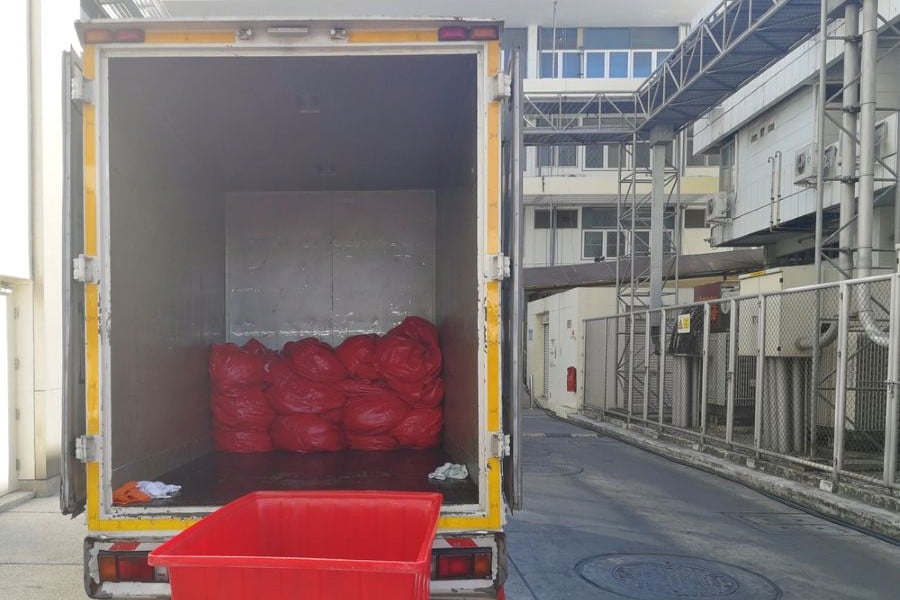
Medical waste transportation covers the movement of regulated waste from healthcare facilities to authorized processing locations. It connects each stage of the collection process and helps healthcare providers maintain safe, reliable operations.
The transportation process generally includes three stages:
Medical waste fleets operate under strict regulatory requirements. Vehicles, drivers, containers, records, and handling procedures must comply with applicable rules throughout every route. Missing documentation or using unsuitable equipment can lead to compliance problems and service interruptions.
Route planning also plays an important role in daily operations. A single vehicle may serve several hospitals, laboratories, clinics, and healthcare centers during one shift.
Routes must account for pickup schedules, collection volumes, travel distances, vehicle capacity, and processing facility hours.
Medical waste transportation therefore isn’t simply about moving materials between two locations. It requires careful coordination across vehicles, drivers, routes, documentation, and collection schedules to keep healthcare logistics running reliably.
Medical waste transportation requires fleets to balance reliability, compliance, and operational efficiency every day. Collection schedules can't simply be delayed because a vehicle is unavailable or demand changes unexpectedly.
Healthcare facilities rely on dependable transportation to keep operations running safely and without interruption.
Some of the most common transportation challenges include:
1. Highly regulated operations: Medical waste transportation is governed by strict requirements covering vehicles, documentation, driver qualifications, and handling procedures. Falling short of these standards can lead to compliance issues, financial penalties, and service disruptions.
2. Business continuity: Healthcare facilities depend on uninterrupted waste collection throughout the year. Even a single transportation disruption can delay pickups, create storage challenges, and place additional pressure on healthcare operations.
3. Vehicle downtime: Mechanical failures and unexpected repairs can remove trucks from service with little warning. Without backup fleet capacity, missed collections and delayed routes can quickly affect service reliability.
4. Growing service areas: As healthcare providers expand into new communities and satellite locations, transportation routes become longer and more complex. Maintaining efficient schedules while controlling travel time and fuel costs becomes increasingly challenging.
5. Peak demand: Disease outbreaks, seasonal fluctuations, and emergency events can all increase medical waste volumes. Fleets that don't have additional capacity available may struggle to keep pace with collection requirements.
6. Fleet expansion: Growth often creates the need for additional vehicles. Expanding too slowly can limit service capacity, while expanding too quickly may increase operating costs before demand stabilizes.
7. New facility startups: New hospitals, clinics, laboratories, and healthcare centers need regulated waste collection from the day they begin operating. Transportation providers must establish routes and allocate vehicles quickly without affecting existing customers.
8. Temperature-controlled transportation: Certain medical waste streams require controlled temperatures during transport to meet safety and regulatory requirements. Maintaining those conditions depends on reliable equipment and careful fleet management throughout every trip.
Each of these challenges affects fleet availability in different ways, yet they all point to the same operational need. Organizations need transportation strategies that can adapt quickly without compromising compliance, collection schedules, or service reliability.
Transportation demands rarely stay the same for long. A flexible fleet strategy gives medical waste transportation providers the ability to respond without compromising service reliability.
The following fleet options each play an important role:
Building flexibility into a fleet strategy isn't about replacing owned vehicles. It's about giving transportation managers additional options when operating conditions change.
That flexibility helps organizations maintain reliable collections, improve fleet utilization, and continue supporting healthcare providers without unnecessary disruption.
Rental vehicles give medical waste transportation providers a practical way to add capacity without making a long-term fleet commitment. They’re especially useful when operational needs change faster than permanent fleet plans can keep up.
Rental support may make sense in several situations:
Rental support works best when it’s part of a broader fleet plan rather than a last-minute response. Providers that arrange rental access in advance can respond faster, protect collection schedules, and avoid unnecessary disruption when fleet demand changes.
A transportation partner should provide more than vehicles. They should help medical waste transportation providers maintain reliable operations as fleet requirements change.
Whether demand increases unexpectedly or a vehicle goes out of service, dependable fleet support can help reduce disruption and keep collection schedules on track.
When evaluating a transportation partner, consider the following capabilities:
The best transportation partnerships begin long before additional vehicles are needed. Planning ahead gives organizations greater confidence that the right fleet support will be available whenever operational demands change.
Business continuity depends on keeping medical waste transportation running, even when unexpected challenges affect daily operations.
Planning ahead helps organizations reduce disruption, protect collection schedules, and continue serving healthcare providers under changing conditions.
The following practices can help strengthen fleet resilience:
Business continuity isn't built when a disruption occurs. It starts with transportation planning that gives fleet managers the flexibility to respond quickly while maintaining reliable, compliant medical waste collection.
Medical waste transportation is an essential part of healthcare environmental services, yet it can easily be overlooked until a collection is delayed or a vehicle becomes unavailable.
Reliable fleet operations help healthcare providers maintain safe, compliant service while reducing the risk of storage issues, missed pickups, and operational disruption.
Organizations that build flexibility into their fleet strategy are better prepared for breakdowns, maintenance, business growth, and changing collection demands.
A balanced approach that combines owned, leased, and rental vehicles can also help improve fleet utilization without adding unnecessary long-term costs.
Ryder supports healthcare transportation providers with commercial truck rental, fleet leasing, maintenance support, and scalable fleet solutions designed for demanding operations. With nationwide coverage and dependable vehicle availability, Ryder helps fleets stay productive as operational needs change.
Explore Ryder Truck Rental solutions that help healthcare transportation fleets stay productive, scalable, and ready for changing operational demands.